
HOW A MINDSET SHIFT, STRONG INSTITUTIONS ARE CRUCIAL TO TANZANIA'S TRILLION ECONOMY AMBITION
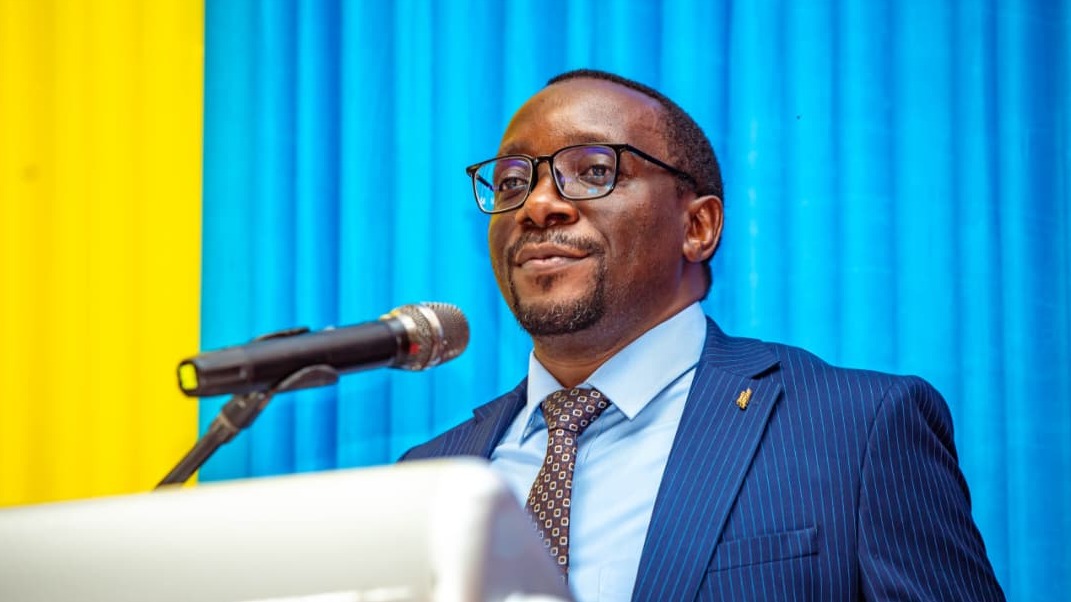
DODOMA. Tanzania’s ambition to build a $1 trillion economy by 2050 will depend as much on changing mindsets and strengthening institutions as on mobilising capital, the head of the country’s Public-Private Partnership Centre (PPPC) said on Wednesday.
Speaking during a public lecture at the University of Dodoma (UDOM), PPPC Executive Director, Mr David Kafulila, argued that achieving the country’s long-term development goals would require a fundamental shift away from traditional approaches to financing public projects and towards greater collaboration with the private sector.
The lecture, held under the theme “Transforming Tanzania’s Infrastructure and Public Services: The Strategic Role of PPPs in the Five-Year Development Plan IV towards Vision 2050,” brought together academics, students, policymakers, and media practitioners to examine how public-private partnerships can accelerate economic transformation.
Tanzania’s Development Vision 2050 seeks to expand the economy to $1 trillion within the next 25 years while raising annual per capita income to approximately $7,000.
According to Mr Kafulila, reaching that target will require substantial investment in infrastructure, energy, transport, and public services, as well as a willingness to rethink how development is financed and managed.
“There is a huge task ahead of us. We must think beyond conventional approaches if we are to achieve the $1 trillion economy we envision within the next 25 years,” he said.
Mr Kafulila said PPPs offer governments an opportunity to reduce dependence on taxation and public borrowing by attracting private sector capital into strategic development projects.
More importantly, he argued, PPPs can improve the efficiency of public institutions and stimulate innovation, two factors he described as critical drivers of economic growth.
He identified three key reasons behind the growing global adoption of PPPs: mobilising private investment for public projects, enhancing institutional efficiency, and fostering innovation.
Drawing on international experience, Mr Kafulila said economic success is increasingly linked to the quality of institutions rather than the abundance of natural resources.
“In some developed countries, approximately 25 percent of national wealth is generated through institutional efficiency, while natural resources contribute only about five percent,” he said.
He cited China, the United States, and Russia as examples of countries whose economic strength is rooted in innovation, human capital, and effective institutions despite their significant natural resource endowments.
“The real drivers of development are efficient institutions and the ability to utilise resources productively,” he said.
Mr Kafulila also defended the use of targeted tax incentives, arguing that exemptions can play a legitimate role in attracting investment and reducing production costs, particularly in sectors that require substantial start-up capital.
The discussion underscored the growing role of universities in advancing the PPP agenda.
A PPP specialist at UDOM’s College of Business and Economics, Dr Anastazia Njiku, said the institution has identified 11 projects for development through partnerships with private investors, covering sectors including tourism, technology, energy, business, sports, and creative industries.
Among the flagship initiatives is a solar energy project expected to generate 100 megawatts of electricity on 400 hectares of land, helping diversify the university’s revenue base and reduce reliance on government funding.
Mr Kafulila also called on UDOM to introduce a Master’s degree programme in Public-Private Partnerships to address a shortage of specialised expertise in structuring, negotiating, and managing partnership projects.
As Tanzania pursues its Vision 2050 goals, Mr Kafulila said the challenge extends beyond raising finance.
The country’s success, he argued, will ultimately depend on building institutions capable of delivering efficiency, innovation, and sustainable economic growth.
“Natural resources alone do not create prosperity. Strong institutions and innovative thinking do,” he said.